Half the battle
Getting all the necessary software installed, configured, and playing nicely together is honestly half the battle … Brace yourself for some pain

Software for version control
Git
GitHub

- local software
- keep track of changes of files
- you need to install it!
- host server (store the data)
- project management, collaboration, publishing
- you need an account!
Graphical User Interface
There are many options, some of the most popular are:

The next sections of the presentation will expain setup of each of these GUI clients. You only need to choose one!
If you do not use either of them, I recomend using GitHub Desktop
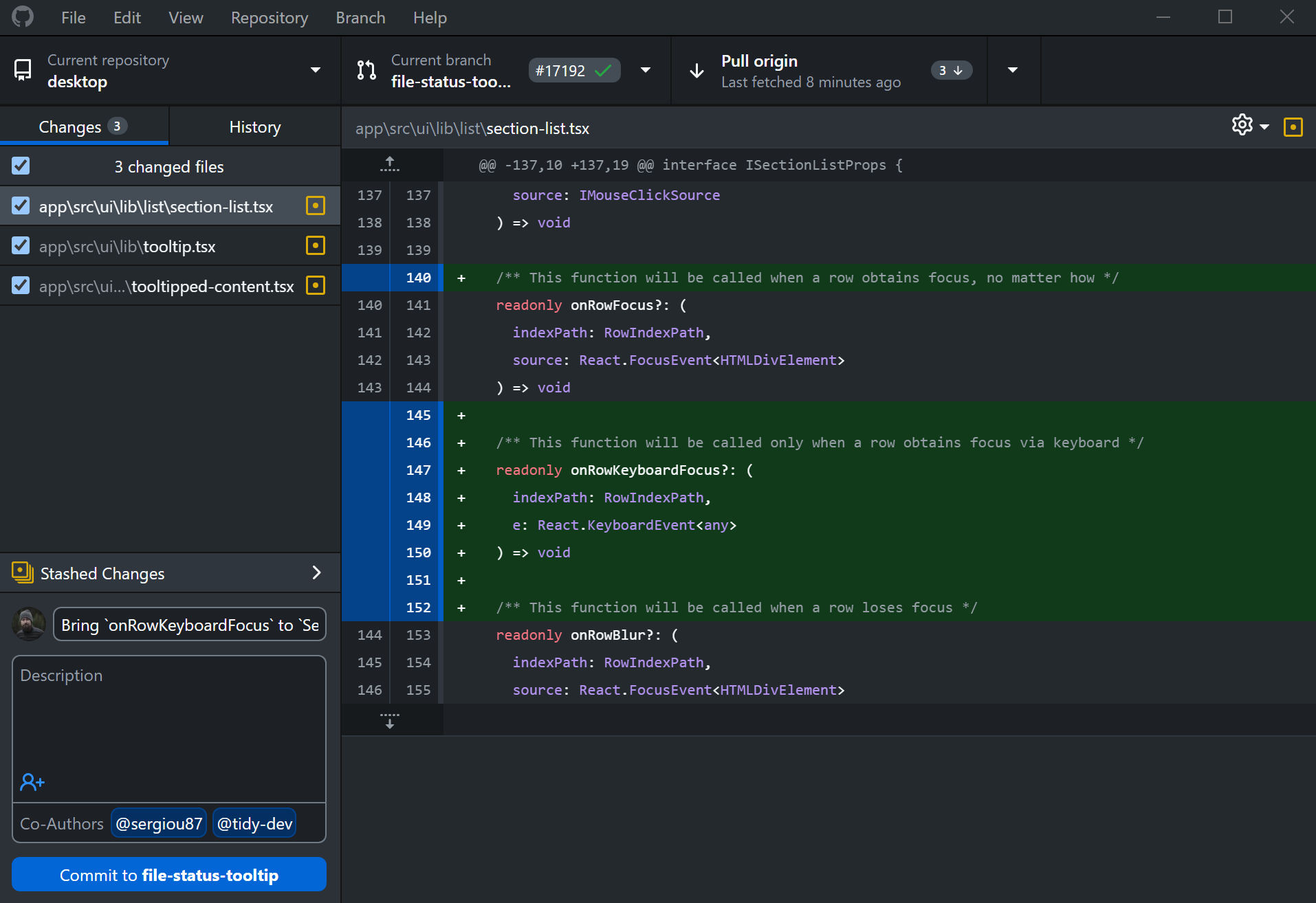
GitHub Desktop
Configuration
Link your GitHub account to GitHub Desktop.

RStudio IDE

Instal/update R
Make sure you have the latest version of R installed. You can check the version by running the following code in R Console:
Install the newest version of R from CRAN.

Bonus
Check out {updateR} package to update R and all installed packages.
Install/update RStudio
Make sure you have the latest version of RStudio installed. You can check the version by running:
You can download the newest version of RStudio from RStudio website.

{usethis} package
The {usethis} package is a collection of functions that help automate package and project setup tasks.
Install the package by running:
RStudio Projects
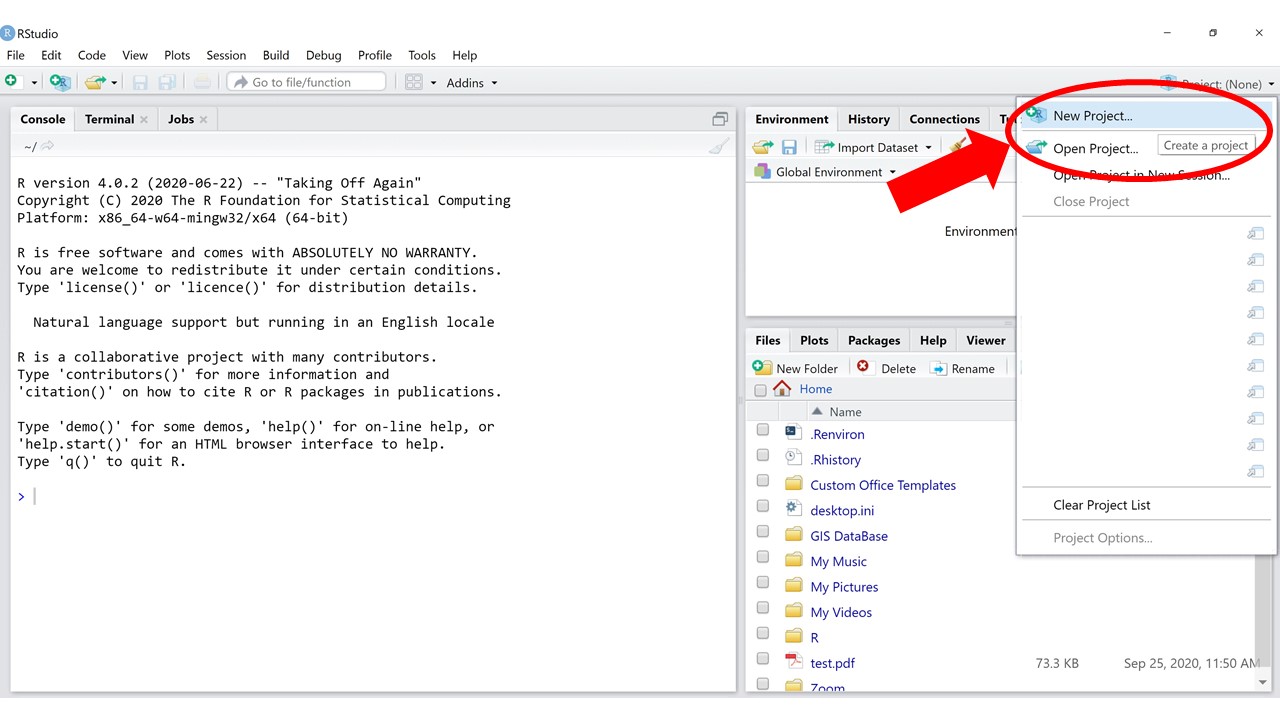
R-studio is using Projects, which are a way to organize your work in RStudio.
You can create a new project by going to File -> New Project... and following the instructions.
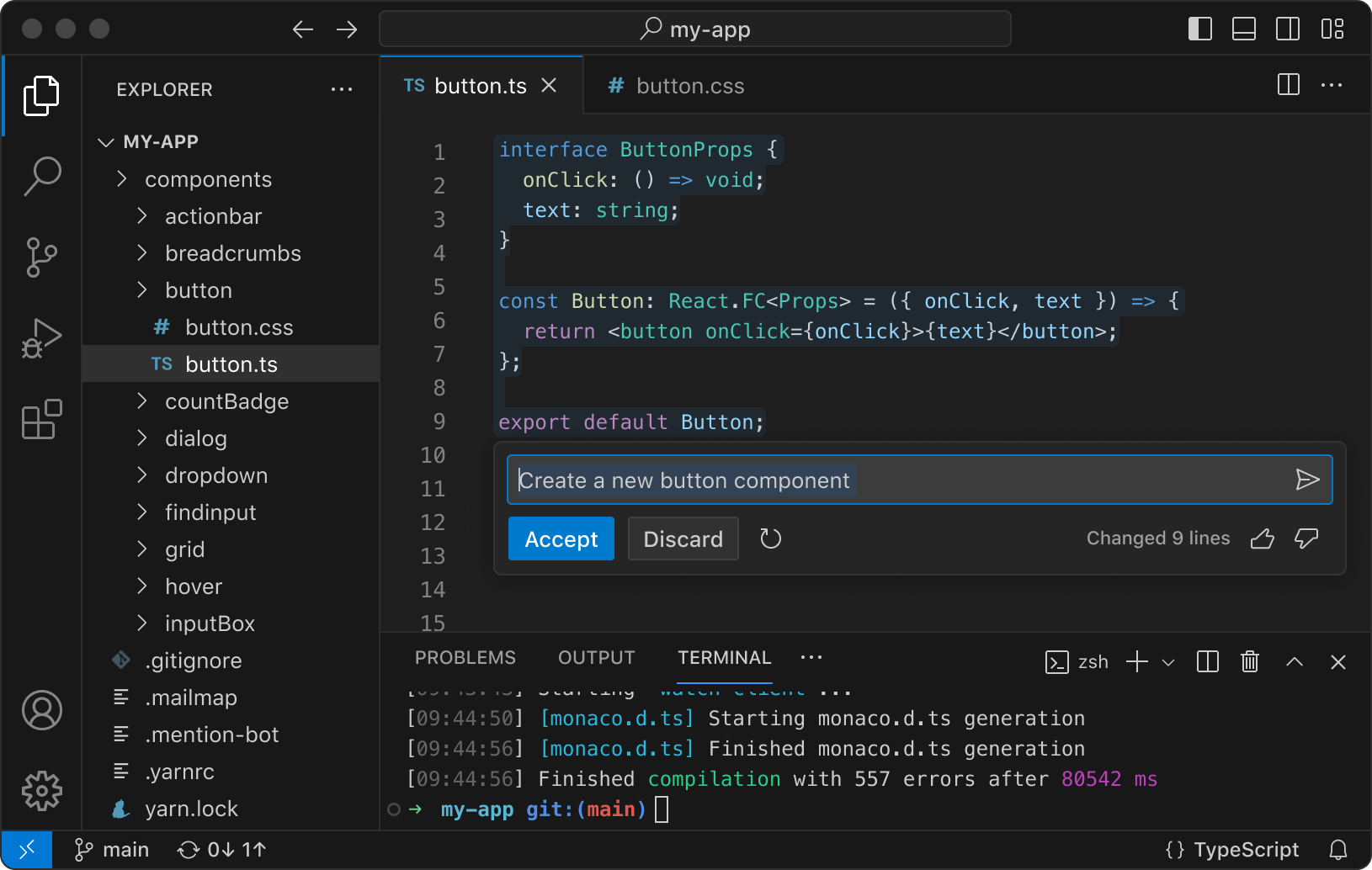
Visual Studio Code
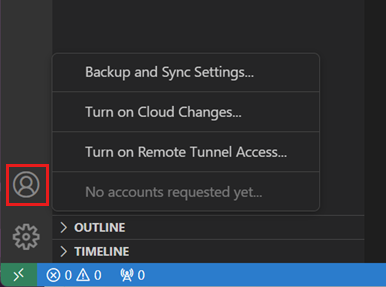
GitHub integration
Install the GitHub Pull Requests and Issues extension.
Link your GitHub account to Visual Studio Code.
About me


Ondřej Mottl Assistant Professor at Charles University
- 📧 Ondrej.mottl(at)gmail.com
- 🐦 @OndrejMottl
- 🐱 Github
- 🆔 ORCID
- 🌐 Personal webpage
- 🧑💻 Laboratory of Quantitative Ecology